

When Convenience Became Inconvenient
Plastic pollution is one of the most urgent environmental challenges, touching every corner of our lives. Addressing it demands bold systemic change and thoughtful individual actions.

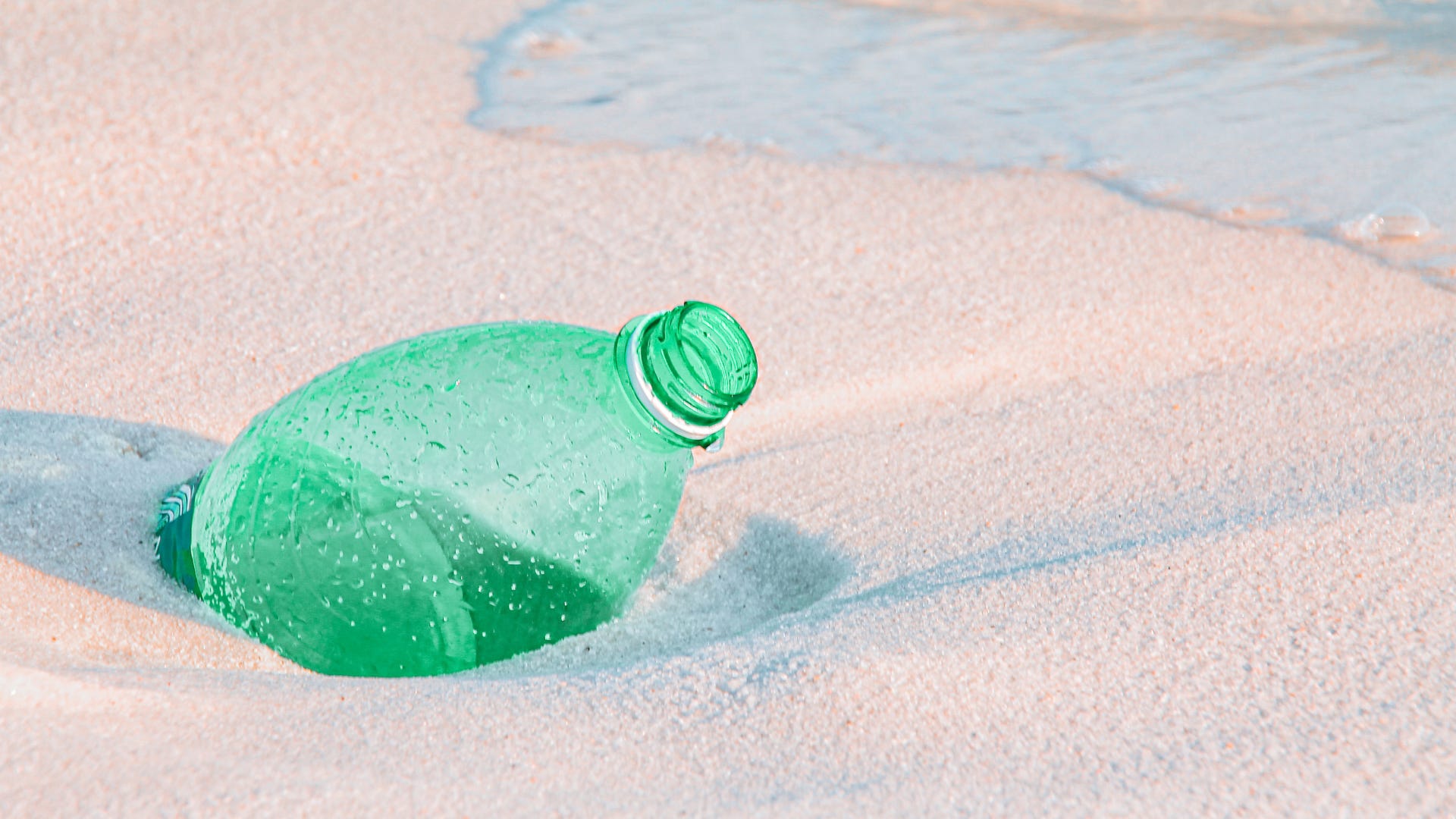
When I was little, I remember that glass soda bottles were the norm. Then came a moment that felt like a game-changer: a Coca-Cola commercial introducing the first plastic bottle. In the ad, they threw the bottle to the floor, and instead of shattering like glass, it bounced. We were all thrilled when we bought our first plastic soda bottle, unaware that this seemingly harmless innovation would eventually lead to a global environmental crisis.
For much of my life, I’ve known that plastic poses a significant environmental challenge. But it wasn’t until a few years ago, when I began teaching a class on sustainability and researching the topic more thoroughly, that I truly understood the full scope of the problem. The scale and complexity of plastic pollution are staggering, and among the many troubling facts I uncovered, a few stand out as particularly devastating:
In just 50 years, we’ve created enough plastic to cover the entire planet in a thin film
Most of the plastic ever produced still exists in some form, whether as large items, microplastics, or chemical residues
There are more microplastics in the ocean than stars in our galaxy
Today, I can’t help but feel uneasy when I step into a supermarket and see the sheer volume of plastic packaging. It’s everywhere — encasing fruits, wrapping snacks, and holding liquids. While plastic brought unparalleled convenience, it also left us with a monumental problem that demands urgent action.
The Rise of an Inconvenient Conveniency
Plastic transformed industries and daily life because of its remarkable versatility. Lightweight, durable, affordable, and moldable into countless forms, plastic became a favorite for applications ranging from packaging and medical devices to electronics and textiles. By the mid-20th century, it had firmly established itself as a cornerstone of modern convenience, celebrated for solving problems associated with heavier or breakable materials like glass and the higher production costs of alternatives like metal (BBC, 2020; Parker, 2024).
However, the story of plastic’s success is intertwined with significant environmental costs. Plastic production is deeply reliant on fossil fuels, contributing to greenhouse gas emissions and resource depletion. Additionally, plastic’s resilience means it never truly disappears. This durability, once a celebrated feature, now poses a major environmental challenge, as discarded plastics accumulate in ecosystems for centuries (Forrest, 2019; Regan, 2020).
A Broken Cycle: The Problem with Plastic Waste
The disposal of plastic poses enormous challenges. Despite widespread recycling efforts, only about 9% of all plastic ever produced has been recycled (National Geographic, 2018). The diversity of plastic types, contamination from additives, and insufficient infrastructure often make recycling impractical or economically unviable (UNEP). As a result, most plastic waste ends up in landfills, incinerators, or the environment, where it harms ecosystems and wildlife.
One of the most concerning outcomes of plastic waste is the proliferation of microplastics — tiny fragments of plastic less than 5 millimeters in size. These particles infiltrate marine and terrestrial ecosystems, entering the food chain through organisms like plankton and small fish. Microplastics have been found in seafood, drinking water, and even the air we breathe, eventually making their way into the human body. Their long-term health impacts remain unclear, but the presence of harmful chemicals in these particles raises serious concerns (Myers & North, 2024; Regan, 2020).
Compounding this issue is the dominance of single-use plastic products. Packaging alone accounts for more than a quarter of global plastic waste, much of it designed to be used once and discarded. This culture of throwaway convenience prioritizes short-term utility over long-term sustainability, creating a system ill-equipped to manage the resulting waste (Parker, 2018; EMF, 2019).
The Case for Glass and Metal
While eliminating plastic entirely may not yet be feasible, choosing alternative materials like glass and metal offers a practical way to reduce plastic pollution. These materials have qualities that make them more sustainable and better suited for long-term reuse and recycling systems.
Glass: Unlike plastic, glass is 100% recyclable without losing quality. It’s durable, non-toxic, and can be reused countless times. For instance, refillable glass bottle systems demonstrate how glass can be integrated into sustainable consumer practices (UNEP).
Metal: Aluminum, in particular, is highly recyclable and retains its properties through repeated cycles. Recycling aluminum saves 95% of the energy required to produce it from raw materials, making it an environmentally efficient alternative to plastic packaging (EMF, 2019; Parker, 2018).
However, for these materials to fulfill their potential, proper waste separation and recycling practices are essential. Glass and metal need to be sorted correctly to avoid contamination and ensure their reuse. This small effort at the consumer level can make a significant difference in reducing reliance on single-use plastics.
Towards a Circular Economy for Plastic
Addressing the plastic crisis requires more than recycling programs or individual consumer changes — it demands a systemic shift to a circular economy. This model prioritizes designing out waste, keeping materials in use, and regenerating natural systems.
According to the Ellen MacArthur Foundation, a leading organization advocating for the circular economy, key strategies for transitioning to such a system include:
Eliminating unnecessary plastics: Many single-use items can be replaced with reusable or packaging-free alternatives.
Designing for reuse and recyclability: Products should be made to last and easily recyclable, avoiding complex materials.
Shifting to renewable materials: Transitioning to bio-based or renewable options reduces dependence on fossil fuels.
As UNEP Executive Director Inger Andersen states, “We will not recycle our way out of the plastic pollution crisis: we need a systemic transformation to achieve the transition to a circular economy.” This vision requires collaboration across industries, governments, and communities to redefine how we produce, consume, and manage materials.
What You Can Do: Practical Steps to Tackle Plastic Pollution
While systemic change is essential, individual actions play a vital role in reducing plastic waste and supporting sustainable practices. Here are some practical steps you can take to make a difference:
Choose alternatives (or avoid plastic packaging altogether): Whenever possible, opt for glass or metal containers instead of plastic-packaged products. For example, choose canned sodas over plastic bottles or purchase pet food in non-plastic packaging. When grocery shopping, avoid fresh produce wrapped in plastic and bring your own reusable bags.
Reduce single-use plastics: Say no to disposable items like plastic bags, straws, and cutlery. Instead, switch to reusable water bottles, coffee cups, and utensils. Bring reusable containers and bags when shopping or dining out to further minimize waste.
Support refill systems: Look for local refill services for household products like cleaning supplies, beverages, or toiletries. These services eliminate the need for disposable plastic packaging.
Sort and recycle properly: Educate yourself on local recycling guidelines and ensure materials like glass and metal are separated correctly. Contaminated recycling often ends up in landfills, negating its environmental benefits.
Be mindful of consumption: Before making a purchase, consider the environmental impact. Choosing quality over quantity and avoiding unnecessary items can significantly reduce waste.
Advocate for change: Encourage businesses and policymakers to adopt sustainable practices, like banning unnecessary single-use plastics or supporting the circular economy. Every voice matters in pushing for broader change.
The Path to ‘Deplastification’
Plastic pollution is one of the most urgent environmental challenges of our time, impacting ecosystems, wildlife, and human health. Its reach is vast, but it’s not an insurmountable problem. While the scale of the crisis can feel overwhelming, the solutions are within our grasp if we are willing to rethink our relationship with this pervasive material.
True change begins with a shift in mindset. Every product we use has a lifecycle, and understanding its journey — from production to disposal — helps us reevaluate how we interact with materials in our daily lives. This shift isn’t about perfection but about progress: choosing alternatives, reducing consumption, and fostering habits that reflect care for the planet. 🌿
References
BBC Newsround. (2020). What is the problem with plastic?. Retrieved from BBC.
Ellen MacArthur Foundation. (2019). Plastics and the circular economy – deep dive. Retrieved from Ellen MacArthur Foundation.
Forrest, A. (2019). A Radical Plan to End Plastic Waste. Retrieved from TED.
Myers, J., & North, M. (2024). Microplastics: Are we facing a new health crisis – and what can be done about it? Retrieved from World Economic Forum.
National Geographic. (2018). 7 Things You Didn’t Know About Plastic (and Recycling). Retrieved from National Geographic.
Parker, L. (2024). The world's plastic pollution crisis, explained. Retrieved from National Geographic.
Regan, H. (2020). There’s 14 million metric tons of microplastics sitting on the seafloor, study finds. Retrieved from CNN.
United Nations Environment Programme. (n.d.). Plastic Pollution. Retrieved from UNEP.